Home / Dewatering of Municipal Sludges & Tailings
Geotextile tube dewatering is an efficient and cost-effective solution for separating solids from water in municipal and industrial sludge management applications. The technology significantly reduces sludge volume, recovers clarified water for reuse, and provides an environmentally sustainable alternative to conventional drying beds and mechanical dewatering systems.

Overview
Available Systems
Success Stories
Products

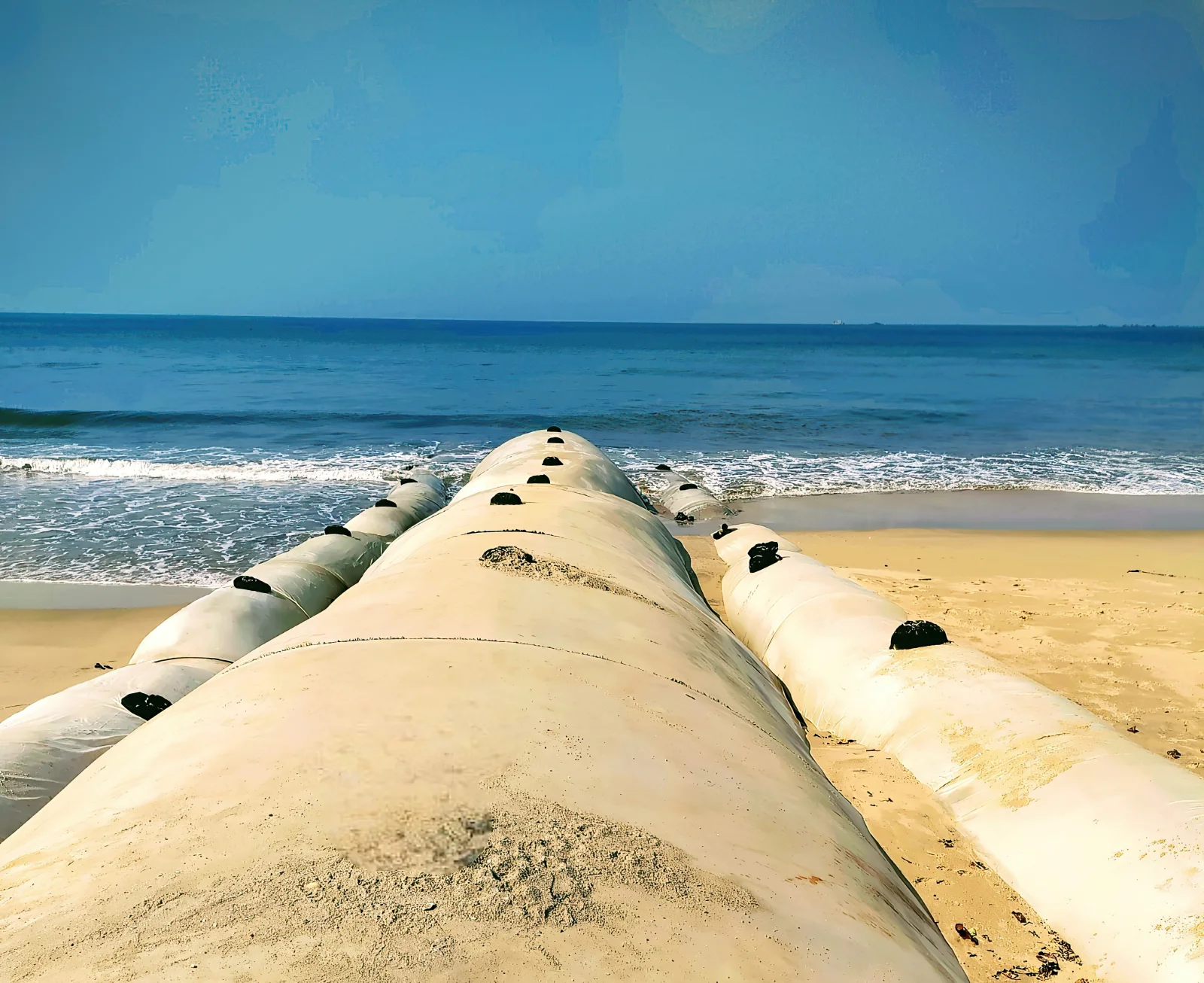
Geotextile tube dewatering is an engineered solids-water separation technology used for the remediation of contaminated lakes, sewage ponds, lagoons and mining tailings impoundments. The system utilizes high-strength woven geotextile tubes to retain solids while allowing clarified water to filter through the fabric.
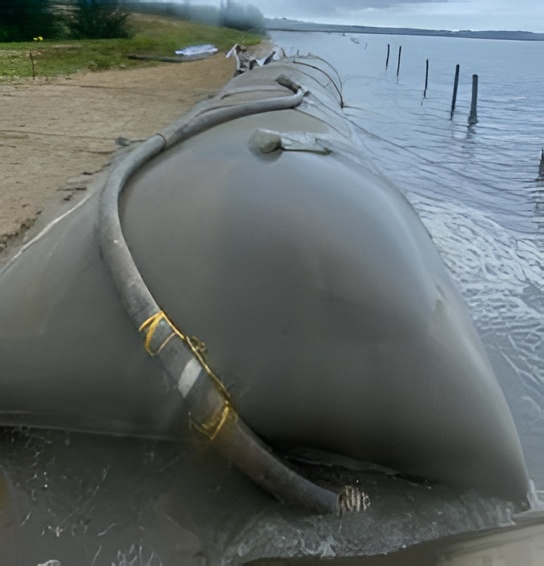
Sludge or slurry is dredged or pumped from the water body and, where required, conditioned with a suitable polymer flocculant to improve the separation of fine particles before being pumped into specially engineered geotextile tubes through filling ports. The woven geotextile fabric retains the solids within the tube while allowing clarified water to pass through the engineered pore structure, which is then collected and either returned to the water body or directed for further treatment.
Through repeated filling, dewatering and consolidation cycles, the retained solids continue to compact and air dry, significantly reducing both moisture content and overall waste volume. TechFab offers complete geotextile tube dewatering solutions supported by application engineering, product selection and technical guidance to deliver efficient sludge management with reduced disposal costs and improved environmental performance.
Lake Remediation
Geotextile tube dewatering provides an effective solution for removing accumulated sediments from lakes and reservoirs. Dredged slurry is conditioned and pumped into geotextile tubes installed along the shoreline, while clarified water is returned to the lake, restoring storage capacity and improving water quality.
Typical Use
Urban lakes, reservoirs, recreational water bodies and lake restoration projects
Key Benefit
Clarified water returned to source lake
Sewerage Treatment Pond Remediation
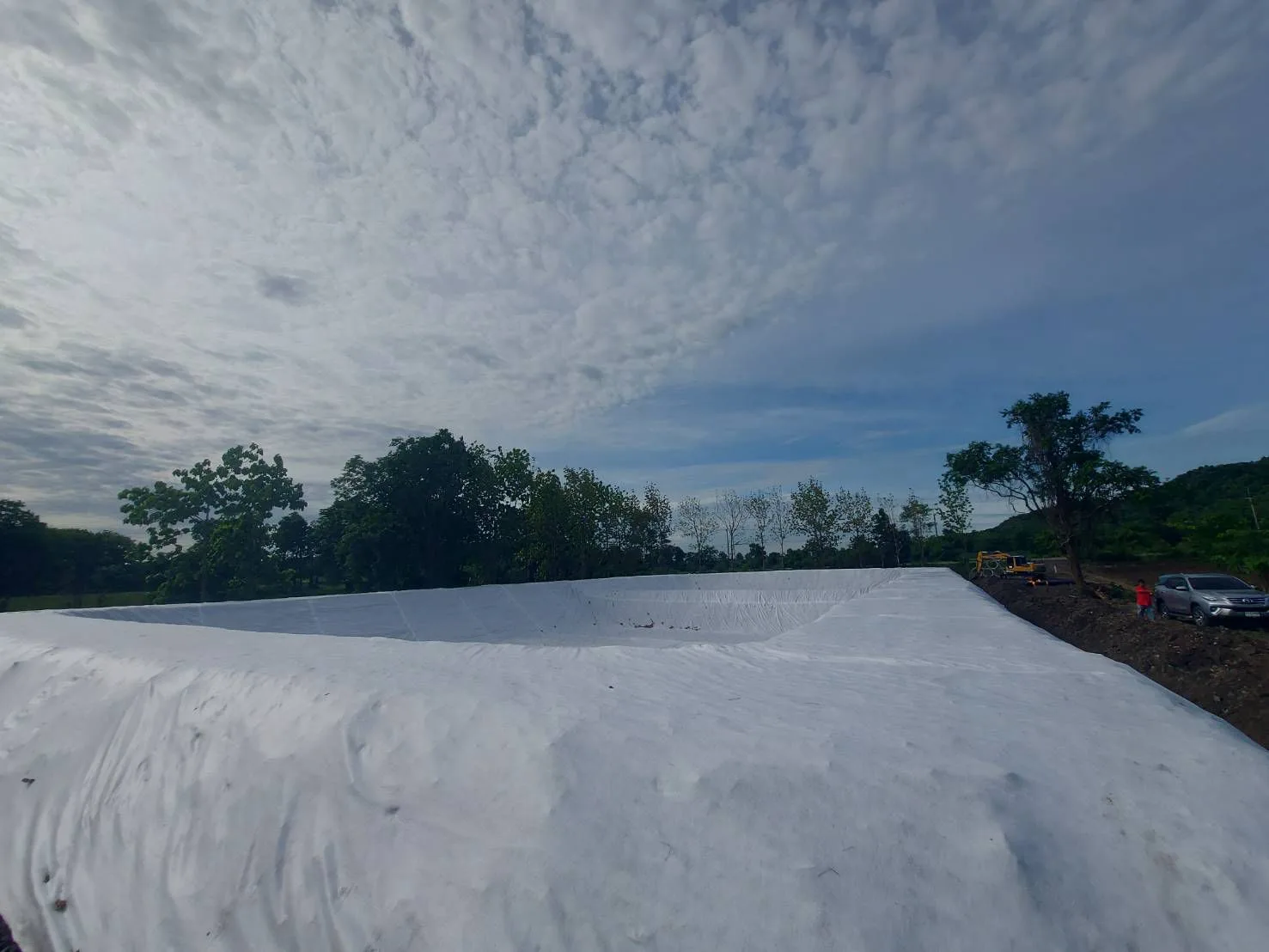
Geotextile tube dewatering efficiently removes accumulated biosolids from sewage treatment plants and stabilization ponds. The technology minimizes the need for drying beds, reduces sludge handling costs and allows clarified water to be returned for further treatment.
Typical Use
Sewage treatment plants, oxidation ponds, stabilization ponds and municipal wastewater treatment facilities
Key Benefit
Reduces reliance on conventional drying beds
Mineral Tailings Dewatering
Geotextile tube dewatering separates solids from mining and mineral processing slurries, allowing process water to be recovered while safely containing consolidated tailings. The technology reduces tailings pond footprint and simplifies long-term storage and reclamation.
Typical Use
Mining operations, mineral processing plants, tailings storage facilities and industrial sludge management
Key Benefit
Reduces tailings pond footprint
Geotextile Tube Dewatering System is an engineered solids-water separation solution that uses high-strength woven geotextile tubes to retain solids while allowing clarified water to pass through the fabric. It provides an efficient and sustainable method for sludge dewatering and volume reduction.
Geotextile tube dewatering is suitable for lake remediation, sewage treatment ponds, wastewater lagoons, industrial sludge management, mining tailings dewatering and other applications requiring efficient solids-water separation.
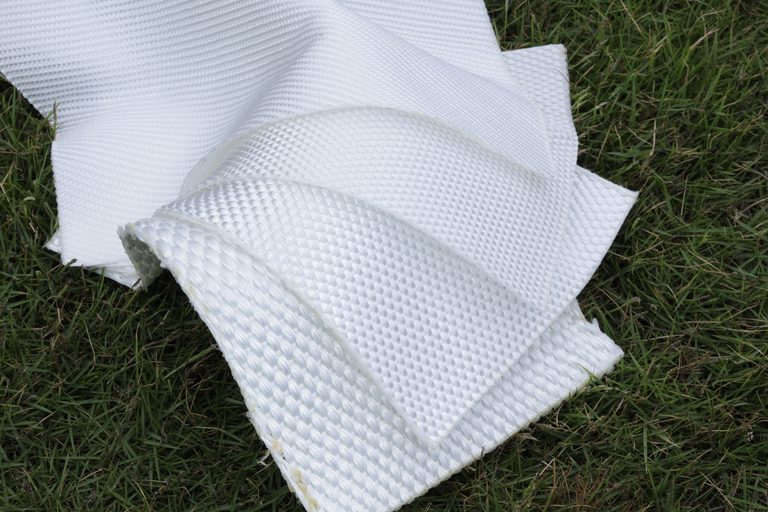
TechTube® Geotextile Tubes are high-strength woven polypropylene geotextile tubes designed to retain solids while allowing clarified water to filter through the engineered fabric, making them ideal for sludge and slurry dewatering applications.
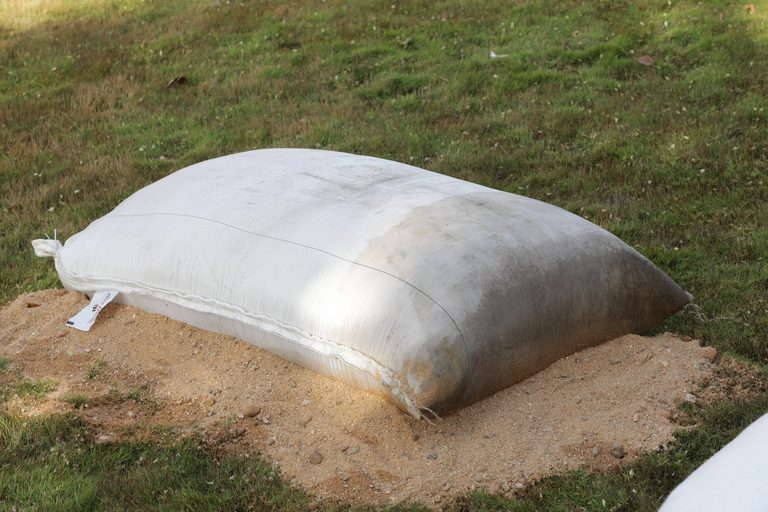
Geotextile Bag are fabricated woven geotextile containers used for small-volume dewatering applications, pilot projects and confined site conditions where conventional dewatering tubes are not practical.
Geotextile tube dewatering reduces sludge volume, recovers clarified water for reuse, minimizes transportation and disposal costs, requires minimal site footprint, and provides an environmentally sustainable solution for municipal, industrial and mining applications.