Passive Slope Stabilization

Even stabilized slopes may experience localized rock detachments due to weathering, geological discontinuities, intense rainfall, or seismic activity. TechFab India’s Passive Protection Systems are engineered to intercept, contain, and control falling rocks and debris after detachment, preventing impacts on vulnerable infrastructure.

Passive Slope Stabilization Banner

Overview

Success Stories

Products

Resources

Passive Slope Stabilization Overview

Overview

Passive slope protection comprises engineered systems designed to arrest, contain, guide, or dissipate the energy of falling rocks and debris after movement has initiated. Unlike active stabilization systems that reinforce the slope itself, passive systems manage the hazard along its trajectory, reducing risks to infrastructure, assets, and public safety.

Passive protection solutions typically incorporate Rockfall Drapery Systems, Rockfall Barriers, Flexible Debris Flow Barriers, Catch Fences and Containment Systems, and Energy Dissipation Components. These systems are designed using rockfall trajectory analysis, impact energy assessments, and site-specific hazard evaluations.

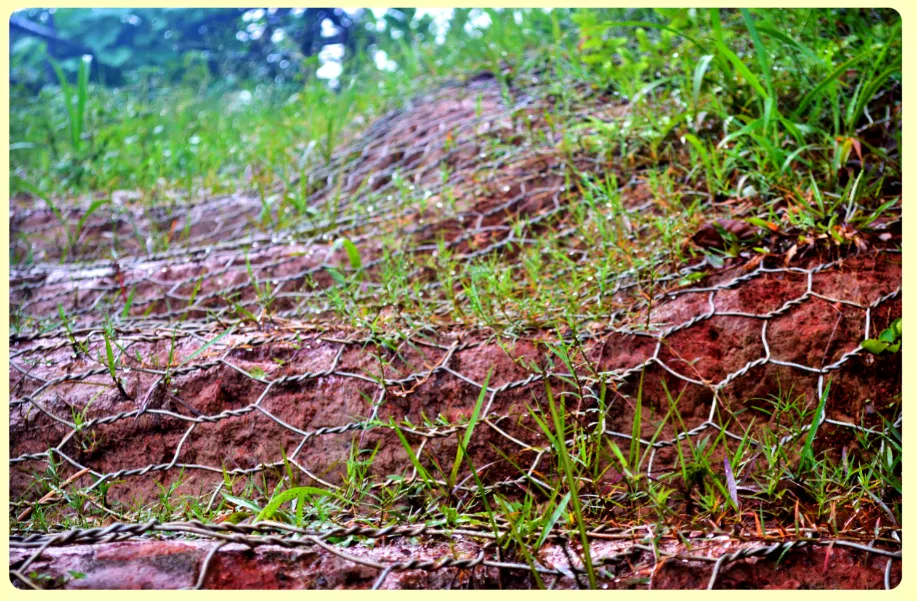
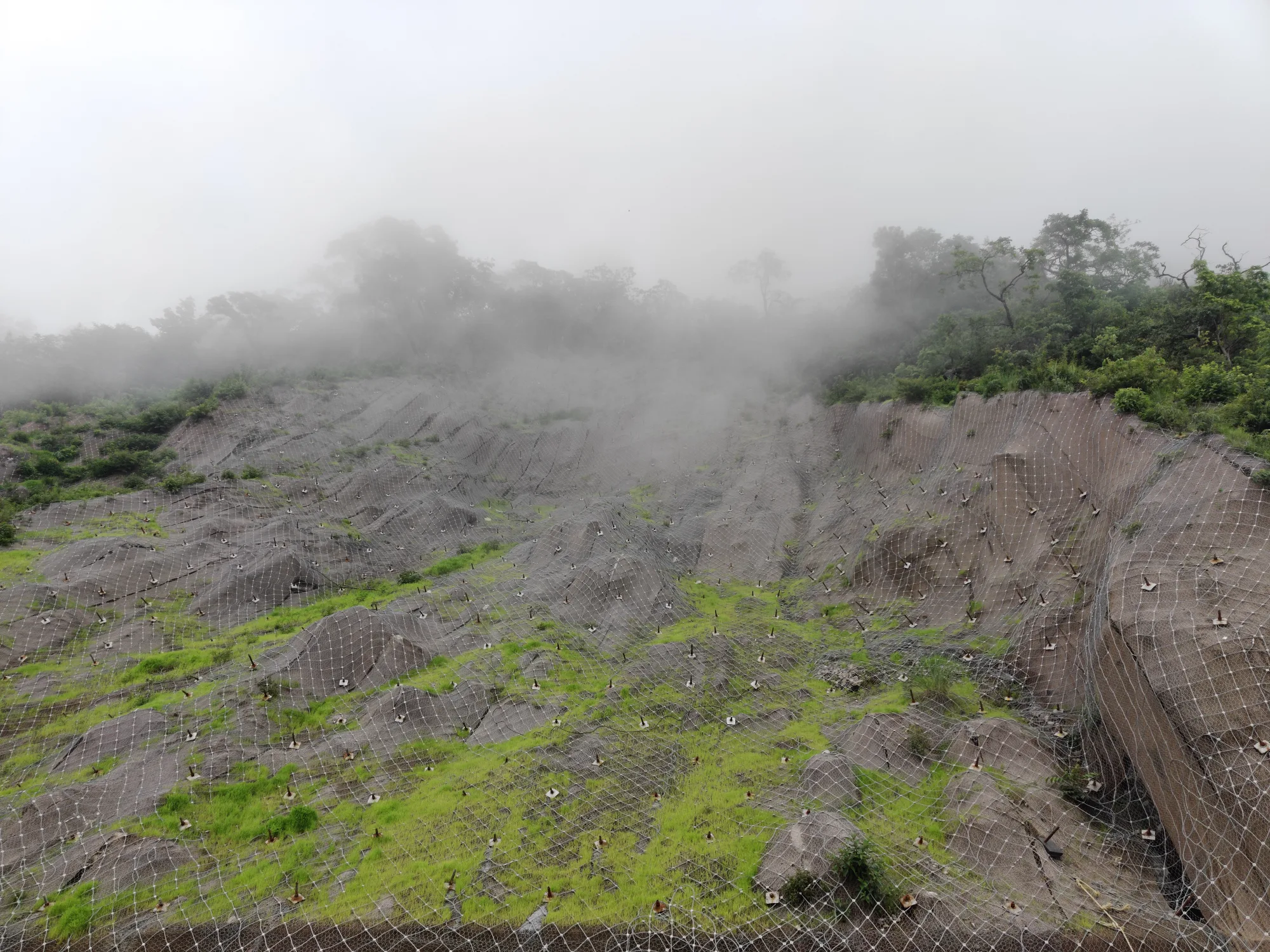
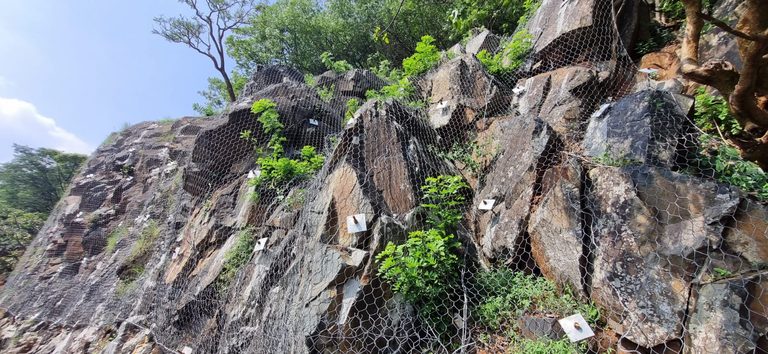
TechFab’s Rockfall Drapery Systems comprise flexible slope containment solutions utilizing Double-Twisted Wire Mesh, High-Tensile Steel Wire Mesh, and High-Tensile Rhomboidal Mesh, installed directly over unstable rock faces to guide detached rock fragments safely towards designated collection zones at the slope toe.

Resources & Downloads

Technical Specifications
Detailed product specifications and test data
Design Guide
Engineering guidelines and design calculations
Certification Documents
Quality certifications and compliance documents

Frequently Asked Questions
(FAQs)

A Passive Protection System is a geohazard mitigation solution designed to intercept, contain, or control falling rocks and debris after movement has initiated, thereby protecting infrastructure and public safety.

Active Protection stabilizes the slope itself and prevents failure from occurring.

Passive Protection manages the hazard after detachment by intercepting or containing falling material before it reaches vulnerable areas.

Passive systems are effective against:

  • Rockfalls
  • Falling boulders
  • Surface ravelling
  • Debris flows
  • Shallow slope failures
  • Weathering-induced rock detachments

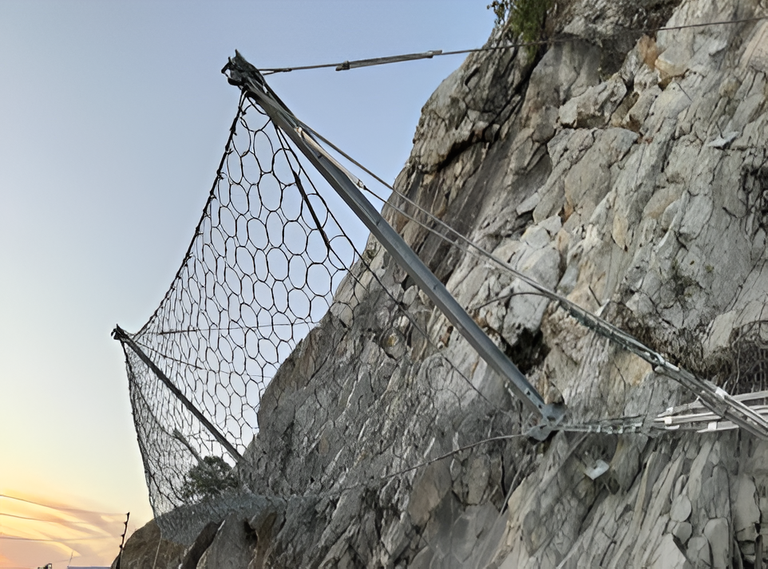
A Rockfall Barrier is a flexible energy-absorbing system designed to intercept and stop falling rocks before they impact roads, railways, structures or other infrastructure.

Rockfall barriers are designed based on:

  • Rockfall trajectory analysis
  • Expected impact energy
  • Bounce heights
  • Slope geometry
  • Geological conditions
  • Required protection level

Debris Flow Barriers are specialized flexible systems designed to contain fast-moving mixtures of soil, rock, water and vegetation generated during landslides and extreme rainfall events.

A Drapery System consists of a mesh installed over a slope face to control the movement of detached rocks and guide them safely to the toe of the slope without allowing uncontrolled rockfall.

Yes. In many projects, Active and Passive Protection Systems are used together. Active measures stabilize the slope, while passive measures provide an additional safety layer against residual hazards.

With proper design, corrosion protection and maintenance, passive protection systems can provide reliable service lives exceeding 25–50 years depending on environmental conditions.

11. What are the benefits of flexible barriers compared to rigid structures?

Flexible barriers:

✔ Absorb higher impact energy

✔ Require smaller foundations

✔ Adapt to difficult terrain

✔ Reduce construction time

✔ Minimize environmental disturbance

12. Why choose TechFab India’s Passive Protection Solutions?

TechFab India’s Passive Protection Systems combines advance engineering, internationally proven technologies and project-specific design expertise to provide reliable rockfall and debris flow protection for critical infrastructure projects.

TechFab India’s Passive Protection Solutions safeguard infrastructure by intercepting hazards before they become disasters—ensuring safety, resilience and uninterrupted operations in challenging terrain.