Home / Success Stories / Erosion Control for Railway Embankment using TechCell Geocell – Eastern Dedicated Freight Corridor Project by– DFCCIL, Meerut, Uttar Pradesh
Meerut, Uttar Pradesh, India | DFCCIL (Dedicated Freight Corridor Corporation of India)
The project is a small part of the Eastern Dedicated Freight Corridor (EDFC), a broad gauge freight corridor in India stretching from Ludhiana in Punjab to Dankuni (near Kolkata) in West Bengal, passing through Meerut and Khurja in Uttar Pradesh. This railway line is one of several freight corridors being constructed by the Dedicated Freight Corridor Corporation of India (DFCCIL), a public-sector unit under the Ministry of Railways. A large logistics hub is proposed in Meerut, which will be well connected to EDFC and several expressways.
DFCCIL aims to protect rail embankments from erosion through strategic measures such as reinforcing embankments with gabion mattresses, planting vegetation to stabilize soil, and implementing drainage systems to divert water flow. Such initiatives ensure the longevity and safety of railway infrastructure, bolstering operational efficiency.
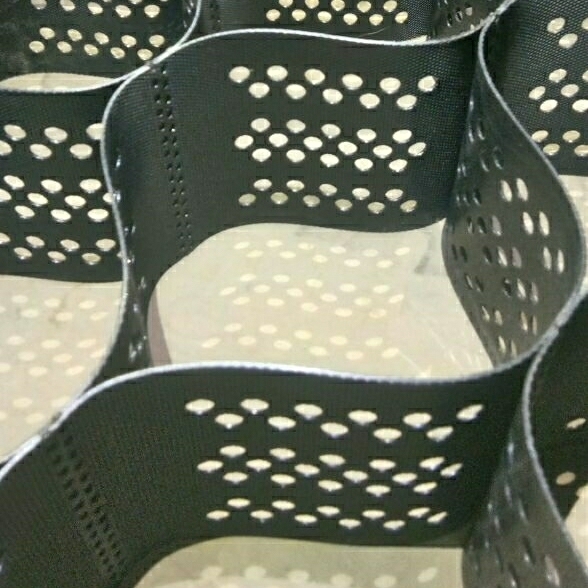
TechFab (India) Industries Ltd proposed the use of Tech Cell (Type 712 x 75mm) combined with vegetative soil for embankment erosion control (MoRTH 705.2.1), positioning it as a modern alternative to conventional methods such as stone pitching, concrete lining, and vegetation alone. This innovative approach promises enhanced effectiveness and environmental sustainability in erosion management practices. Stone pitching and concrete lining are the costliest and time-consuming options. Relying solely on vegetation is not feasible for higher heights and steep slopes, and it requires regular maintenance. Utilizing geosynthetics for preventing soil erosion has been proven to be a cost-effective option compared to these conventional solutions. Combining vegetation with Geocell presents a superior method for enhancing slope stability and erosion control.
Geocells stabilize the soil surface and secure seeds and vegetative soil in place, even on steep slopes where establishing vegetation may be challenging and mitigating potential erosive forces may exceed the strength of the root system. In such cases, geocells provide an effective solution by preventing soil slippage and facilitating vegetation growth. The use of polymer Geocell mesh honeycomb structure offers long-term protection as it is not biodegradable like jute or coir mats (as per IRC 59 2019, section 4.8.5.2). Due to its longer lifespan and high success rate in vegetation growth per year, it ensures reliable erosion control and slope stability.
The project was completed in March 2024, with the client expressing satisfaction with the high quality of the delivered product and the exceptional service provided.