Repair and Rehabilitation of Provincial Road P/9, R103 Alberton - Pietermaritzberg via Heidelberg & Harrismith, South Africa

South Africa |  Department of Transportation (DOT), South Arica

Overview

The National Highway N3 heads through south-western tip of Mpumalanga in the direction of Heidelberg. Wherever N3 has been realigned, the old route has been designated R103. The R103, also known as regional roads, connects Alberton with Pietermaritzberg via Heidelberg and Harrismith. The road faces considerable traffic with reckless driving by passenger cars as it is considered as shorter bypass. The rehabilitation of the flexible pavement was carried out near Colenso which is located on the southern bank of the Tugela River.

Challenge

The road significantly undertakes moderate to heavy moving traffic loads with reckless driving and is considered as one of the worst roads having single carriageways with short passing zones. The weather remains very changeable with moderate to heavy rainfall and the condition of the road deteriorates very fast. The road was not designed to take such varying EASL’s and usually deteriorates very fast with pot holes /patch works are evident in stretches.

Solution

To strengthen the flexible pavement it was proposed to use a Geo-composite which could provide infiltration drainage coupled with tensile strength.

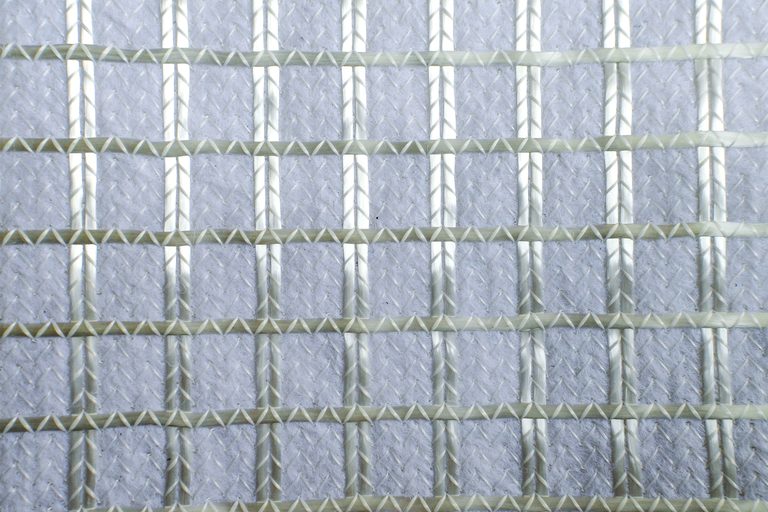
Under existing circumstances, TechGlass AIC (Geo-composite) was proposed as an Asphalt Interlayer below the resurfacing of 50 mm of Bituminous Concrete. TechGlass AIC range is a geo-composite is made from high performance glass fiber roving to form a reticular structural material with a unique combination of fiber glass and polyester Non-woven ,Needle-punched Geotextile with glass fiber tensile ability and the polyester fibre flexibility.

Related Sectors
Related Solutions
Related Products

Frequently Asked Questions
(FAQs)

The R103, a regional bypass route connecting Alberton to Pietermaritzberg, faced heavy traffic loads and reckless driving. Combined with frequent rainfall, the pavement deteriorated quickly, with potholes and patchwork repairs becoming common.

The single carriageway with short passing zones was not designed for such high Equivalent Axle Load (EASL) variations. Weather changes, heavy rainfall, and traffic stress accelerated pavement failures, making the road unsafe and unreliable.

TechFab India proposed TechGlass AIC (Asphalt Interlayer Composite) — a geo‑composite designed to strengthen flexible pavements by providing both tensile reinforcement and infiltration drainage.

TechGlass AIC is a high‑performance geo‑composite made from fiberglass roving combined with polyester nonwoven geotextile. It offers tensile strength to resist cracking and flexibility to adapt to pavement stresses, while also improving drainage.

TechGlass AIC was placed as an asphalt interlayer beneath a 50 mm bituminous concrete resurfacing. This reinforced the pavement structure, reduced reflective cracking, and improved long‑term durability.

  • Enhanced pavement strength and resilience.
  • Reduced pothole formation and patchwork repairs.
  • Improved drainage and reduced water‑related damage.
  • Cost‑effective rehabilitation with long‑term performance.

TechGlass AIC (Asphalt Interlayer Composite) — engineered for pavement reinforcement and drainage improvement.

The rehabilitated pavement near Colenso now performs reliably under heavy traffic and adverse weather. The solution extended pavement life, reduced maintenance needs, and improved safety for road users.

By delivering a tailored geo‑composite solution for one of South Africa’s busiest regional roads, TechFab India showcased its ability to provide sustainable, high‑performance pavement rehabilitation in challenging conditions.