Retention Works using TechFab Metal Gabions at Matheran, Maharashtra

Matheran, Maharashtra, India | The Mumbai Metropolitan Region Development Authority (MMRDA)

Overview

Matheran, a renowned hill station in Maharashtra, is a designated eco-sensitive zone due to its rich biodiversity, lush greenery, and unique natural beauty. As a popular tourist destination, the region has increasingly faced environmental challenges, including soil erosion, slope instability, and terrain degradation. These issues are primarily caused by heavy rainfall, steep and fragile slopes, and frequent human activity that disrupts the natural landscape.

Challenge

The hilly terrain of Matheran is prone to unchecked soil movement, which can result in landslides, loss of vegetation, and long-term instability of the slopes. Such conditions not only compromise the safety of tourists, residents, and infrastructure but also threaten the ecological health of this fragile environment. The loss of topsoil due to erosion further accelerates environmental degradation, making it difficult for native vegetation to thrive, thus altering the area’s delicate balance.

In response to these challenges, the Mumbai Metropolitan Region Development Authority (MMRDA) conducted a detailed assessment and identified several critical zones in Matheran that required urgent intervention to stabilize the slopes and mitigate the risks of erosion and landslides. However, traditional solutions such as concrete retaining walls and other rigid structures were deemed unsuitable. The primary requirement was to design and implement a sustainable, environmentally friendly solution that would address the slope stability concerns while preserving the natural beauty of the area. The solution needed to be durable, adaptable to the hilly terrain, and visually harmonious with the surroundings. Additionally, the measures had to ensure minimal environmental disruption and support the long-term protection of the slopes.

Solution

To address the challenges of slope instability and soil erosion in the eco-sensitive zone of Matheran, TechFab India proposed constructing a Gabion Retaining Wall. This solution offers an environmentally friendly, cost-effective, and sustainable method for retaining and stabilizing the terrain.

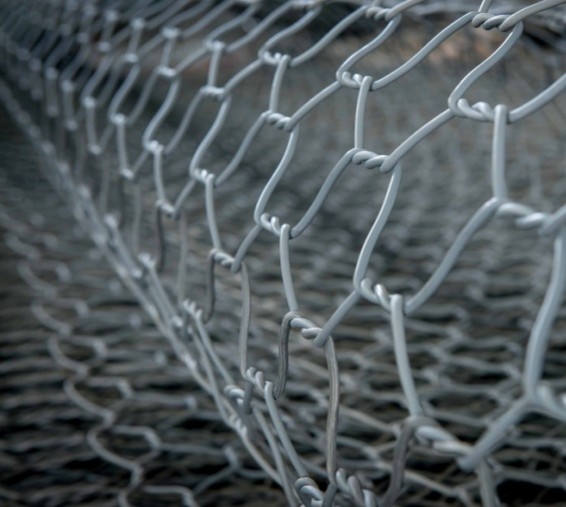
Gabion retaining walls are flexible, permeable, and durable structures, making them ideal for hilly regions like Matheran. The gabions are constructed using woven wire mesh baskets filled with locally available boulders. The inherent permeability of gabions allows water to pass through the structure, reducing hydrostatic pressure and mitigating waterlogging risks. Over time, soil sedimentation in the voids between the stones facilitates vegetation growth, further enhancing the structure’s stability and monolithicity.

To ensure effective filtration and drainage, TechGeo Nonwoven Geotextile PR 20 was strategically positioned at the rear of the gabion wall. This geotextile layer prevents the migration of fine soil particles while allowing water to flow freely, thus preserving the integrity of the wall and the surrounding terrain.

The use of locally available boulders significantly reduced transportation costs and minimized the carbon footprint of the project. Additionally, gabion construction is straightforward and does not require specialized skills, enabling the use of unskilled labor, thereby lowering construction expenses further.

This solution not only addressed the technical requirements of slope stabilization and erosion control but also aligned with the environmental and aesthetic needs of the eco-sensitive region. By blending seamlessly with the natural surroundings, the gabion retaining wall ensured a sustainable and visually harmonious enhancement of the landscape.

Project Outcome & Performance

The project was completed successfully and performing to the intended purpose, to the satisfaction of client and contractor. This project reflects TechFab India’s commitment to delivering eco-friendly engineering solutions that preserve and protect nature while meeting structural requirements.