River Training with Guide Bund Construction and Abutment Protection for Bridge No - 179D using TechFab Metal Gabions at Mahi River, Anand District, Gujarat

Anand, Gujarat, India |  DFCCIL

Overview

The construction of Special Steel Bridges across the Mahi river forms a critical component of the Ikbalgarh – Vadodara section of the Western Dedicated Freight Corridor (Phase-I). The project scope includes the development of bridge structures, 150m long approaches from abutments on both sides, embankments, cuttings, guide bunds, and associated protection works. Bridge No. 179-D across the Mahi River required robust river training and bank protection measures to ensure long-term structural stability.

As part of the project, guide bunds were constructed to regulate and confine the river flow within a defined channel, thereby protecting the bridge abutments and approach embankments from erosion and scouring. These guide bunds act as hydraulic control structures, directing the river flow smoothly past the bridge opening and preventing any lateral shifting of the river course.

Challenge

The project site presented several geotechnical and hydraulic challenges. The Mahi River is characterized by variable flow regimes, seasonal flooding, and significant scouring potential, particularly during monsoon periods. The presence of loose alluvial soil strata increased the vulnerability of embankments and abutments to erosion and instability. Additionally, high flow velocities and fluctuating water levels posed risks to the integrity of guide bunds and adjacent infrastructure. Ensuring protection against toe erosion and slope failure migration was essential.

Solution

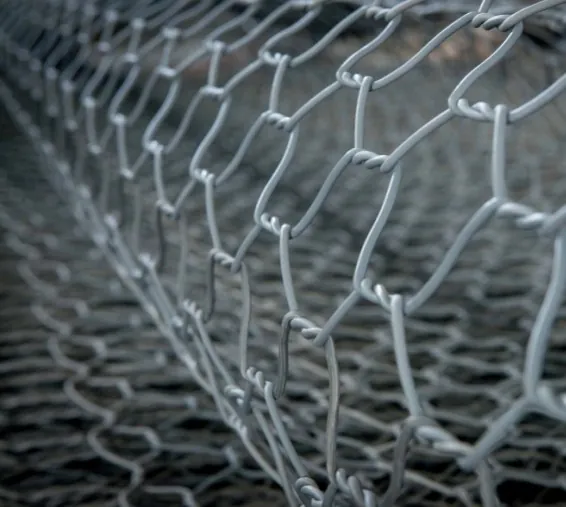
To address the site challenges, TechFab India proposed a comprehensive river training and protection system using TechFab Metal Gabions for the construction of guide bunds at Bridge No. 179-D across the Mahi River. The gabion boxes are made of double-twisted hexagonal wire mesh and are filled with stones, offering exceptional flexibility and permeability, making them well-suited for challenging hydraulic environments. This solution ensures structural stability, effective erosion control, and long-term performance under varying flow conditions.

The use of gabions provides multiple engineering advantages. The permeable nature of the gabion structure enables free drainage of water, reducing hydrostatic pressure buildup and enhancing overall stability. Additionally, the mass and interlocking characteristics of the stone-filled units effectively dissipate hydraulic energy, minimizing erosion caused by high-velocity flows.

The guide bunds constructed with gabion boxes help in training the river flow, preventing bank erosion, and protecting the bridge abutments and approach embankments. The system also ensures ease of installation and requires minimal maintenance.

Project Outcome & Performance

The project was completed successfully. The implementation of gabion-based guide bunds for Bridge No. 179-D across the Mahi River ensured effective erosion control, structural stability, and long-term performance. This solution successfully addressed hydraulic and geotechnical challenges, providing a durable, flexible, and economical protection system for critical bridge infrastructure within the freight corridor. The client is satisfied with the quality of the product, overall performance, and outcome of the project.

Additionally, the construction of the honeycombed/porous gabion structure helped preserve the local fauna and flora, controlled the movement of sedimentation, and maintained the ecological balance of the surrounding environment. We also successfully managed the manufacturing and supply of large quantities of specially designed odd-sized gabion boxes as per the specific requirements of the project site.

Related Sectors
Related Products